
"visual coffee grading"
500 article(s) found

Characteristics of Essex Honey Kiss Coffee Bean Flavor description by Variety treatment
The characteristics of Essex Honey Kiss Coffee beans Variety treatment Flavor description the natural characteristics of coffee beans in the producing area include large

Coffee tanning method
Sun-dried beans have a complete natural mellow flavor, gentle fragrance and more gum; washing laws have a good mellow taste, a high degree of fragrance and active sour taste.

Washed Ethiopian Sidamo coffee beans introduce coffee flavor and taste
Washed coffee accounts for 35% of exports. Good quality washed coffee is processed with freshly picked fully ripe fruit, picked carefully and closely monitored by professionals. The picked clean coffee beans are pulped on the day of picking, then fermented, washed, dried and peeled. The humidity of processed coffee beans is kept at about 12%. Sun-cured coffee accounts for 65% of exports. Mainly by

The honorable debut of "New Kings", the cold extract of TM was born in summer.
New ideas for cold extraction experience Starbucks continues to write the Legend of Ice and Fire Coffee is easy to get, while Starbucks TM Cold extraction is hard to get. Since its stunning debut last fall, Starbucks TM Cold extract Coffee has become a favorite of coffee lovers with its velvety taste and an unforgettable memory. This year, Starbucks has integrated the cold experience into more
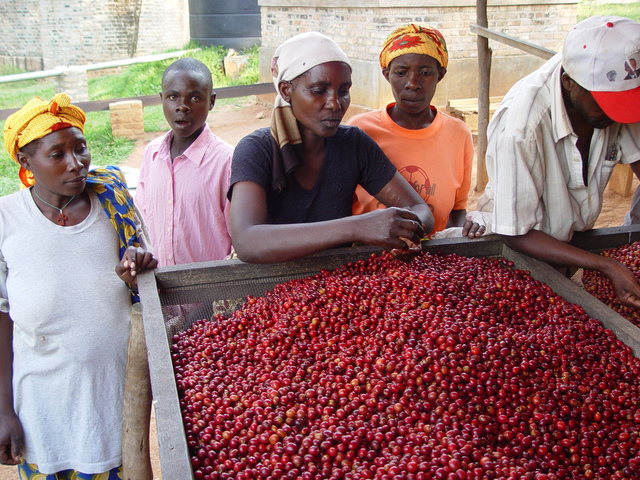
The processing method of raw coffee beans in China Coffee Network the method of solarization in Ethiopia Yega Xuefeijia
Due to the use of natural sunlight to dry the fruits and raw beans of coffee, it is also called natural drying. Due to the use of artificial and natural treatment methods in the process, the sun-cured beans look irregular and unflattering in appearance. 1. Choose beans: put the harvested fruit in the water tank, and the ripe fruit will sink, while the unripe and overripe fruit

Introduction to the characteristics of natural washing coffee
Coffee beans 1, choose beans: put the harvested fruit in the water tank, the ripe fruit will sink, while the unripe and overripe fruit will float up and can be removed. 2, drying: put the selected ripe fruit in the square for 5-6 days until it is fully dry. At this time, the fruit becomes dark brown, the moisture content is 13% 3, and the peel becomes easy after drying.

A brief introduction to the Variety characteristics of the Flavor description method of Ethiopian Sidamomo Lion King Coffee
The export rating is marked by simple numbers, with the best washed coffee at level 5 and the best sun-cured coffee at level 4. After grading, mark the place of origin and then export. Exports are usually paid by letter of credit, which can not only reduce the risk of foreign exchange collection for exporters, but also give quality assurance to importers. Coffee is Ethiopia's most important export cash crop and the main source of Ethiopia's foreign exchange earnings.

Introduction to the taste of the quality producing area of Sidamoto Lion King Coffee Bean Flavor description
Sidamomo Lion King Coffee Bean Flavor description method Coffee is the most important export cash crop and the main source of foreign exchange income in Ethiopia. Ethiopia's coffee exports account for about 3% of the world market, making it the eighth largest coffee exporter in the world. Coffee exports increased steadily from 58000 tons in 1990 to 110 tons in 1995-1996.

Coffee bean treatment-tanning method
Sun-dried beans have a complete natural mellow flavor, gentle aroma and more gum; washing rules have a good mellow taste, high aroma and lively sour taste. Mellow taste is an important condition of espresso, which produces a mellow and smooth feeling as strong as wine. Espresso lovers can increase the weight of sun-dried beans; water-washed beans are as clean as clear wind chimes, because they are less.

Introduction to the characteristics of the manor producing area with strong flavor of Ethiopian coffee
In Ethiopia, the grading and quality control system of coffee is divided into three levels: producer, regional and national. All coffee is inspected by local inspection agencies before leaving the country of origin, and then re-tested at the coffee inspection and grading centers in Addis and Diredawa to determine its quality grade. Coffee is graded before auction and sale, for all involved in production, acquisition,

The exact same coffee beans are treated with water washing and sun treatment. Yunnan sun-dried coffee beans
The exact same coffee beans are treated with water washing and sun treatment. Yunnan sun coffee beans 1. Choose beans: put the harvested fruit in the water tank, and the ripe fruit will sink, while the unripe and overripe fruit will float up and can be removed. 2, drying: put the selected ripe fruit in the square for 5-6 days until it is fully dry. At this time, the fruit
Identification of coffee beans good and bad coffee bean grading system defective bean species identification method
Whether the gloss is good, the color is uniform and without spots; smell its fragrance-whether it is fragrant and rich; oral test brittleness-put it into the mouth, whether it is crisp and sound, taste good, and finally see if the bean shape is full and weighty. Because you can't make mellow coffee without good coffee beans / powder.

Very suitable for coffee growth. Introduction of Ethiopian boutique coffee beans.
Coffee grading and quality control system in Ethiopia, coffee grading and quality control system is divided into three levels: producer, regional and national. All coffee is inspected by local inspection agencies before leaving the country of origin, and then re-tested at the coffee inspection and grading centers in Addis and Diredawa to determine its quality grade. Coffee is graded before auction and sale

Unique aromatic Ethiopian Coffee Flavor description Grinding degree Variety characteristics of producing areas
Ethiopia's geographical environment is very suitable for coffee growth. Coffee is mainly grown in the southern highlands between 1100 and 2300 meters above sea level. The main coffee producing areas are Harar, Limu, Djimma, Sidamo, Kaffa, Yergacheffe and Wellega. The soil drainage in these areas is good.

Ethiopian coffee flavor with intense nutty aromas. Manor characteristics. Fine coffee medium.
In Ethiopia, coffee classification and quality control systems are divided into producer, regional and national levels. All coffees are inspected by local inspection agencies before they leave the country of origin, and then re-inspected at coffee inspection and grading centres in Addis and Diredova to determine their quality grade. Coffee is graded prior to auction and sale, and all participants in production, acquisition,

Introduction to the flavor and taste of coffee washing and sun honey-the top three types of coffee in the world
Washing method 1, select beans: put the harvested fruit in the water tank, the ripe fruit will sink, while the unripe and overripe fruit will float up and can be removed. 2, drying: put the selected ripe fruit in the square for 5-6 days until it is fully dry. At this time, the fruit becomes dark brown with a moisture content of 13% 3 and shelling: the peel changes after drying.

Introduction to the taste description of Ethiopian coffee variety boutique coffee bean manor
Ethiopia's geographical environment is very suitable for coffee growth. Coffee is mainly grown in the southern highlands between 1100 and 2300 meters above sea level. The main coffee producing areas are Harar, Limu, Djimma, Sidamo, Kaffa, Yergacheffe and Wellega. The soil drainage in these areas is good.
Introduction to Ethiopian Coffee
Ethiopia is one of the major producers of Arabica coffee in Africa, producing the best Arabian coffee in the world. It is said that coffee was first discovered by shepherds in Essekafa, and the name of coffee evolved from Kafa, so Essex is still the hometown of coffee. The geographical environment of coffee production and processing is very suitable for coffee growth. Coffee is mainly cultivated.

Description of price characteristics, taste and flavor of coffee beans in Ethiopia
Ethiopia, the grading and quality control system of coffee is divided into three levels: producer, regional and national. All coffee is inspected by local inspection agencies before leaving the country of origin, and then re-tested at the coffee inspection and grading centers in Addis and Diredawa to determine its quality grade. Coffee is graded before auction and sale, for all involved in production, acquisition and sale.

Ethiopian coffee plantation flavor taste introduction Ethiopian coffee characteristics
35% of coffee is courtyard coffee. In this coffee garden, the planting is three-dimensional distribution. Coffee sits in the lower layers, in the shade of other crops, to get the right environment to grow. Fertilizer is mainly deciduous, withered grass and animal manure. 5% of coffee is plantation coffee. This is a modern way of growing coffee. Coffee is grown in forests, but new varieties are used and mixed with other trees.